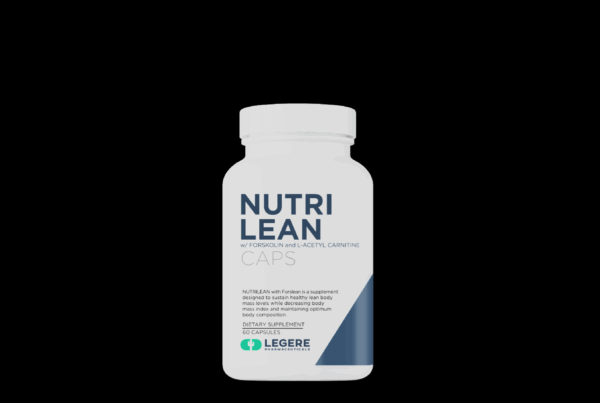

GLP-1 vs. Natural Weight Loss Supplements — Which Is Right for You?
Introduction
With all the talk about GLP-1 medications (e.g., semaglutide, tirzepatide) and “natural” weight-loss supplements, patients often ask: which route is better (or safer) for me? The truth: there is no one-size-fits-all answer. Both have roles — when properly selected and supervised.
What are GLP-1 medications?
GLP-1 receptor agonists (GLP-1 RAs) were originally developed for type 2 diabetes but now have approved indications for weight-management. They work by:
- slowing gastric emptying
- increasing satiety (feeling full)
- reducing appetite
- Some also improving insulin sensitivity.
- They have documented efficacy in trials; for instance, average weight loss of > 5% after one year is common.
Source: Cleveland Clinic+1
What are “natural” weight-loss supplements?
Supplements such as forskolin, acetyl-L-carnitine, green tea extract, etc., aim to enhance metabolism, mobilize fat, or suppress appetite. However:
- Many lack strong human clinical trials.
- Regulation is looser than for prescription drugs.
- The magnitude of effect tends to be smaller and more variable.
Source: Office of Dietary Supplements
Key comparing factors
| Factor | GLP-1 RAs | Natural Supplement (e.g., NutriLean™) |
| Efficacy | Stronger in clinical trials (10-20% weight loss in many cases) | Modest human data so far; smaller effect sizes |
| Dosing & regulation | Prescription only, physician-supervised | Some prescription versions exist; many OTC equivalents with less oversight |
| Safety / monitoring | Requires monitoring (GI side effects, pancreatitis risk, etc.) | Fewer large trials; interactions and quality control issues possible PMC+1 |
| Suitability | May be preferred for higher BMI, obesity-related comorbidities | May appeal to those who prefer non-injectable, “natural” route, lower BMI or as adjunct |
| Cost & accessibility | Can be expensive, sometimes constrained by insurance | May be lower cost, but variable quality and less insurance support |
Which is right for you?
- If you have BMI ≥ 30 (or ≥ 27 with comorbidity) and need a medically proven tool, GLP-1s may offer higher effectiveness under supervision. https://www.ncbi.nlm.nih.gov/books/NBK279038/?
- If you wish to avoid injections, prefer a natural route and have a medically supervised program (as with NutriLean™) then a supplement may fit — especially when combined with lifestyle changes and possibly other therapies.
- The best approach often combines the tools: physician oversight, lifestyle interventions, appropriate medication or supplement choice, and ongoing monitoring.
- Importantly: whichever you choose, the supervision matters a lot.
Why supervised clinics matter (again)
Programs with doctors involved show better outcomes. A dual-track program (GLP-1 + supplements + lifestyle) under physician care offers higher safety and flexibility.
Final thoughts
It’s not about “natural vs prescription” in a binary way — it’s about which tool fits your medical profile, goals, preferences and willingness to be followed over time. Ask: Is a physician involved? Are labs being monitored? Is the plan integrated (nutrition + behavior + movement + medications/supplements)? That is the right metric.)