
Introduction
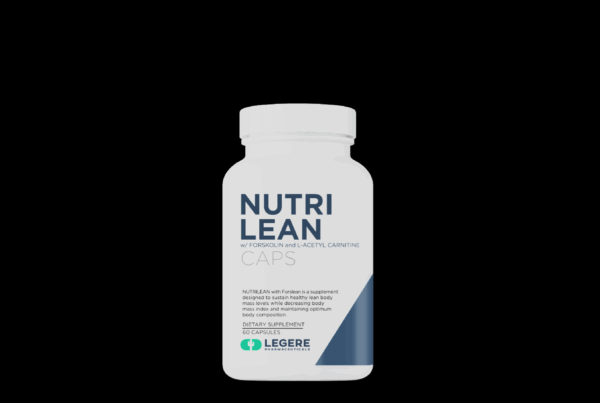
One of the key ingredients in the newly launched NutriLean™ supplement is Forskolin (often derived from the herb Coleus forskohlii). This blog takes a careful look at what the research actually supports regarding forskolin’s role in fat-mobilization — and what remains uncertain.
What is Forskolin and how does it theoretically work
Forskolin is a plant-derived compound that activates the enzyme adenylyl cyclase, which increases cyclic AMP (cAMP) inside cells. Elevated cAMP can activate hormone-sensitive lipase (HSL) in adipocytes (fat cells), which helps release stored fatty acids. Those fatty acids then enter mitochondria (with help from compounds like acetyl L-carnitine) to be oxidized (burned) for energy. The product sheet claims exactly this mechanism.
What human research shows
- In a 2005 randomized, double-blind trial in mildly overweight women, Henderson et al. found that 12 weeks of coleus forskohlii extract did not significantly change body composition compared with placebo, but it appeared to help mitigate further weight gain and was well tolerated.
Source: https://www.ncbi.nlm.nih.gov/books/ - An NIH Office of Dietary Supplements review notes that Coleus forskohlii (forskolin) has only been studied in a few short-term clinical trials, with current evidence showing no clear effect on body weight and limited safety data, underscoring the need for more rigorous research.
Source: https://ods.od.nih.gov/factsheets/WeightLoss-HealthProfessional/ - An NIH-indexed 12-week randomized, double-blind trial in overweight and obese men found that forskolin supplementation reduced body fat percentage and increased lean mass versus placebo, but the study was small, so more clinical trials are needed before firm conclusions can be drawn.
Source: https://pubmed.ncbi.nlm.nih.gov/16129715/
Limitations and what to keep in mind
- Sample sizes in human studies are small; duration is often short (12-weeks) and primarily men.
- Dosage, formulation, and combination with other compounds vary widely — makes it hard to generalize.
- Fat loss tends to be modest compared to prescription medications.
- Additional metabolic benefits (e.g., insulin sensitivity, long-term weight maintenance) are less well supported.
- Because the supplement world is less regulated, product quality, purity, and dosing consistency vary (though using pharmaceutical-grade under physician oversight helps mitigate).
How it fits in a supervised program
When combined under supervision with:
- Adequate calorie-control
- Protein sufficiency and strength training
- Monitoring of comorbidities and biomarkers
Forskolin may provide a “metabolic adjunct” to a program. It should not be relied on as the sole strategy for significant weight loss in higher BMI individuals.
Practical take-aways for patients
- Ask your provider for the exact formulation and dose of forskolin in your supplement.
- Ensure you’re monitored: body composition, labs, fat-free mass, lean mass.
- Factor it into the bigger plan — nutrition, movement, behavior, monitoring.
- Have realistic expectations: it is supportive, not transformative by itself.
- Choose a clinic (like yours) that uses physician oversight, quality-controlled supply, and integrates supplements into a whole-patient plan.
Conclusion
Forskolin shows promise as a fat-mobilization agent based on mechanistic rationale and modest human data. But the effect size is modest and best achieved when combined with a medically supervised weight-loss program. It’s not a replacement for lifestyle, behaviour change or prescription therapy — it’s an addition.